
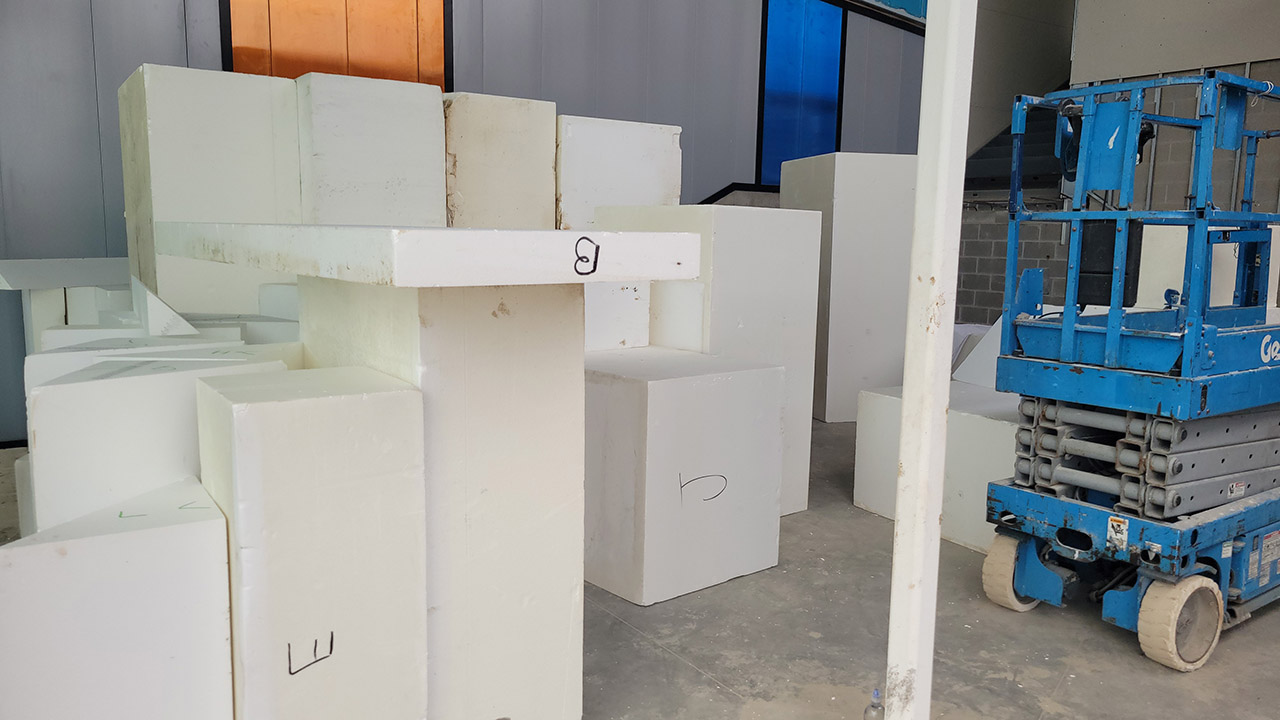
When a project requires significant fill, but existing structures, difficult access, or settlement concerns make traditional materials challenging, geofoam can provide an effective alternative. This lightweight fill material helps teams achieve required elevations while reducing structural loads and simplifying installation.
Understanding Geofoam
Geofoam is a lightweight, polystyrene, fill material that reduces the ground load and minimizes settlement. These materials are manufactured into blocks that can be cut into different shapes and sizes. The benefits of geofoam include its lightweight nature, which makes it easier to install compared to traditional materials like sand, along with its weight to be evenly distributed over a larger area, reducing the need for extensive structural support.
Despite how lightweight it is, geofoam has excellent load distribution properties, minimizes differential settlement, and provides consistent support across construction areas. It is not susceptible to erosion or decay, has long-term stability, and is particularly beneficial in remodeling projects where getting sand into the building is not feasible.
Innovation in Action
Anthony Middle School: Reducing Structural Loads
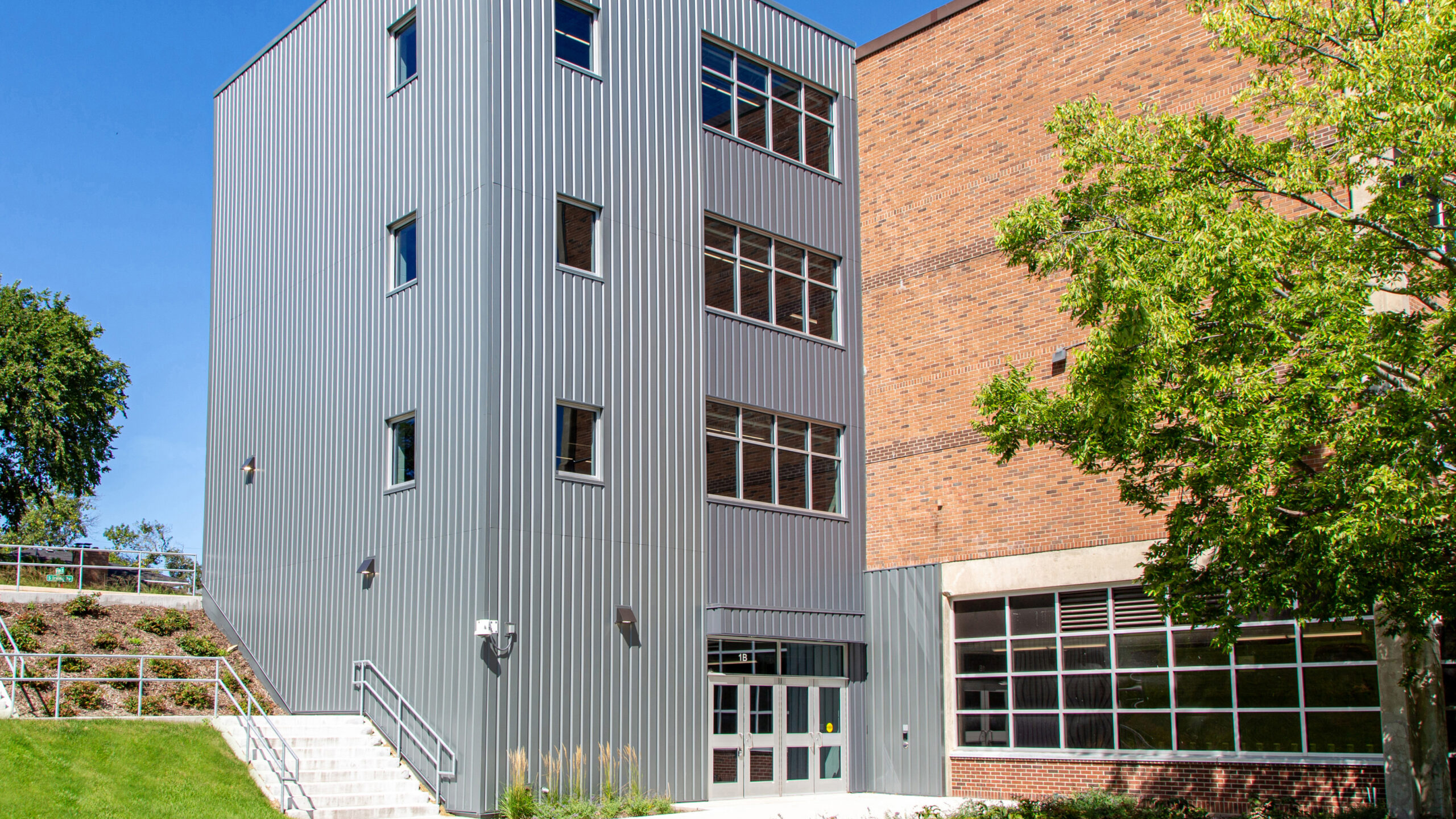
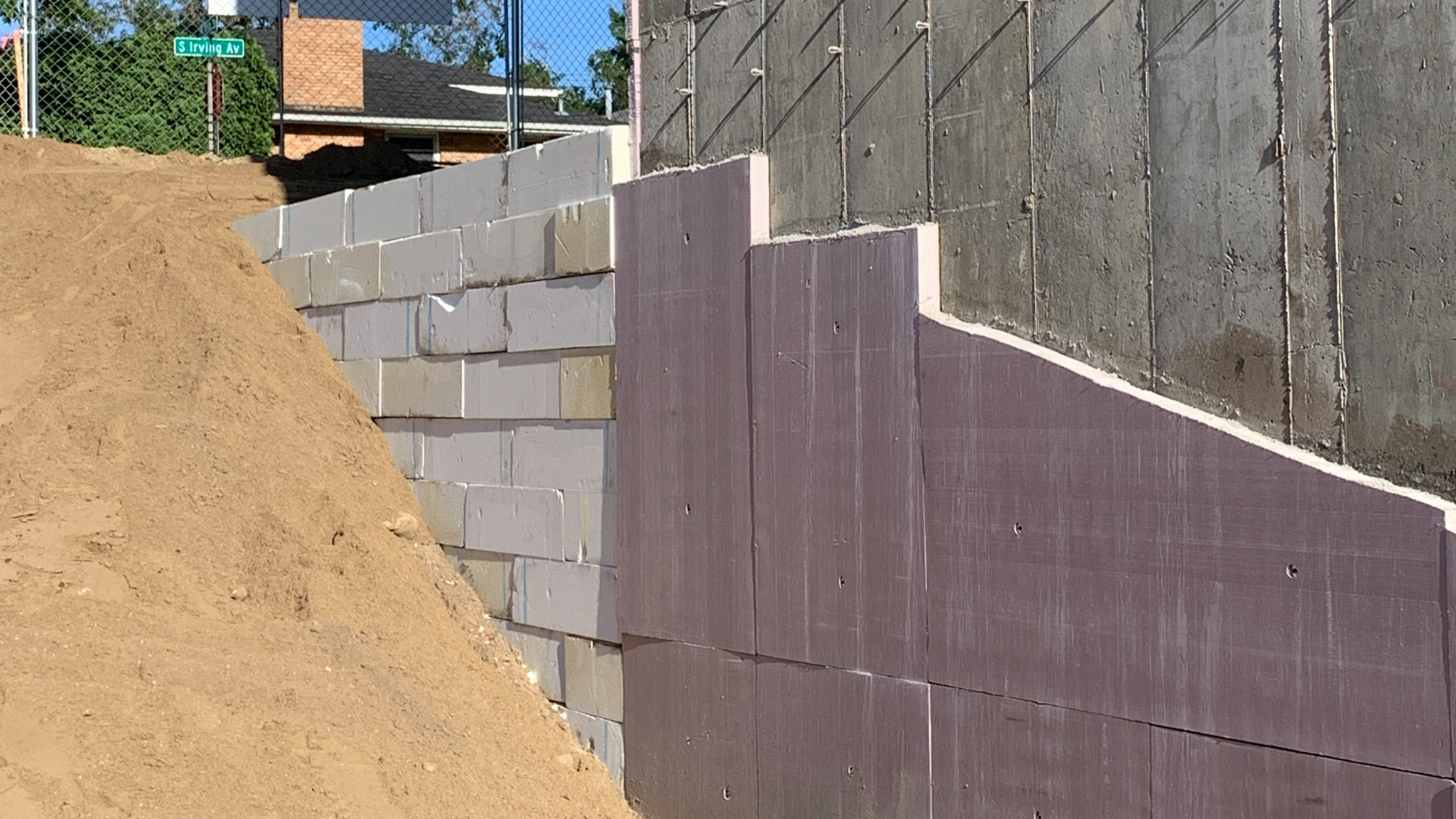
On the Safe and Welcoming Entrance project at Anthony Middle School, the team faced a significant challenge: grading a site with a 14-foot drop along the east side of the building. To address this, the architects and structural engineers at TKDA devised a plan to use geofoam backfill and enlisted TR Concrete for its installation. Traditional fill materials such as soil and rock would have been heavy and require structural support.
“Geofoam is also environmentally friendly,” said Brian Hillestad, superintendent of Stahl. “It is made of recycled material, contributing to sustainable construction practices. It also helps with insulation, trapping hot and cold air, and aiding in temperature control at the building foundations.”
Iowa State University Scheman Building Renovation: Filling a Former Auditorium
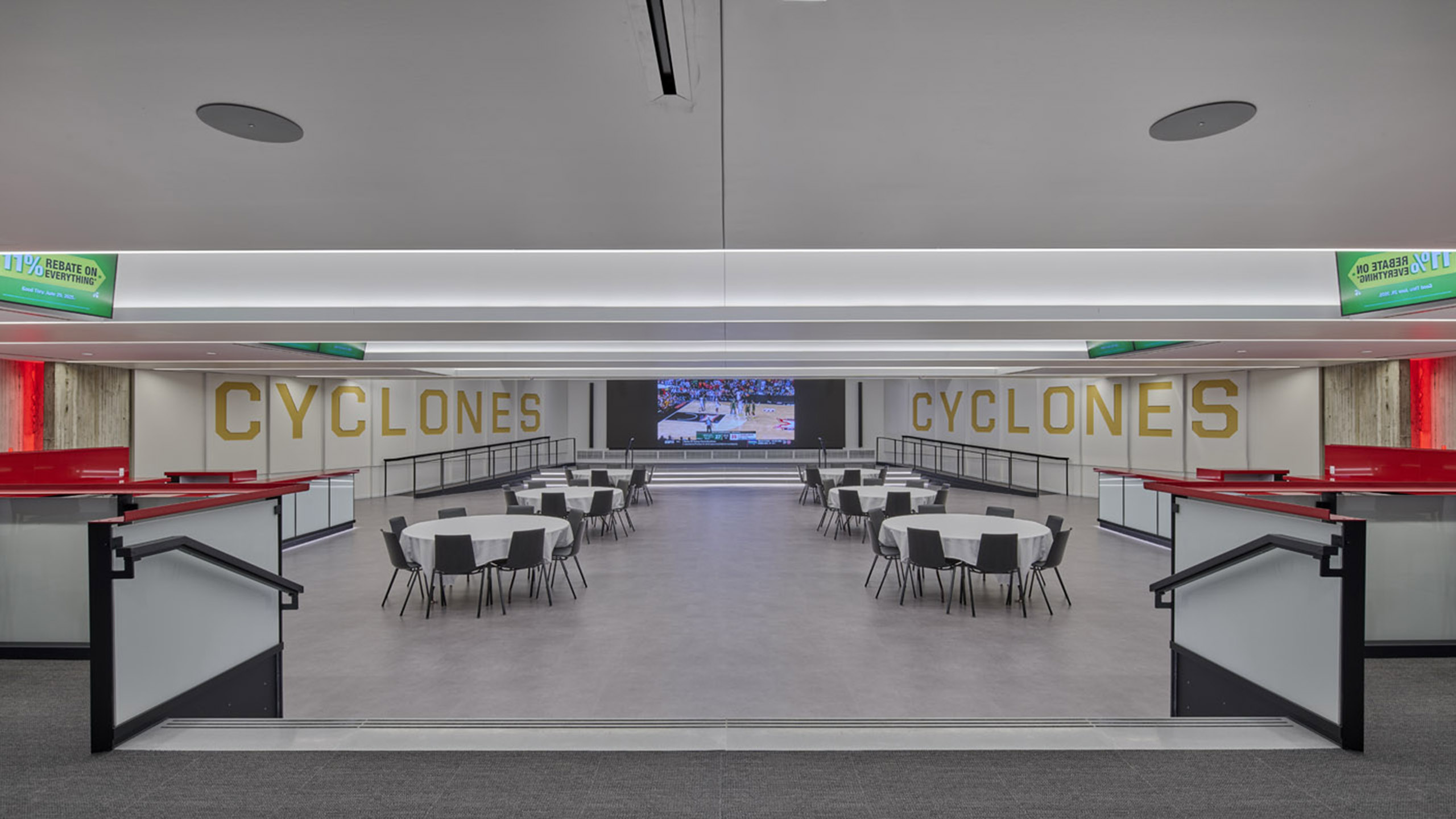
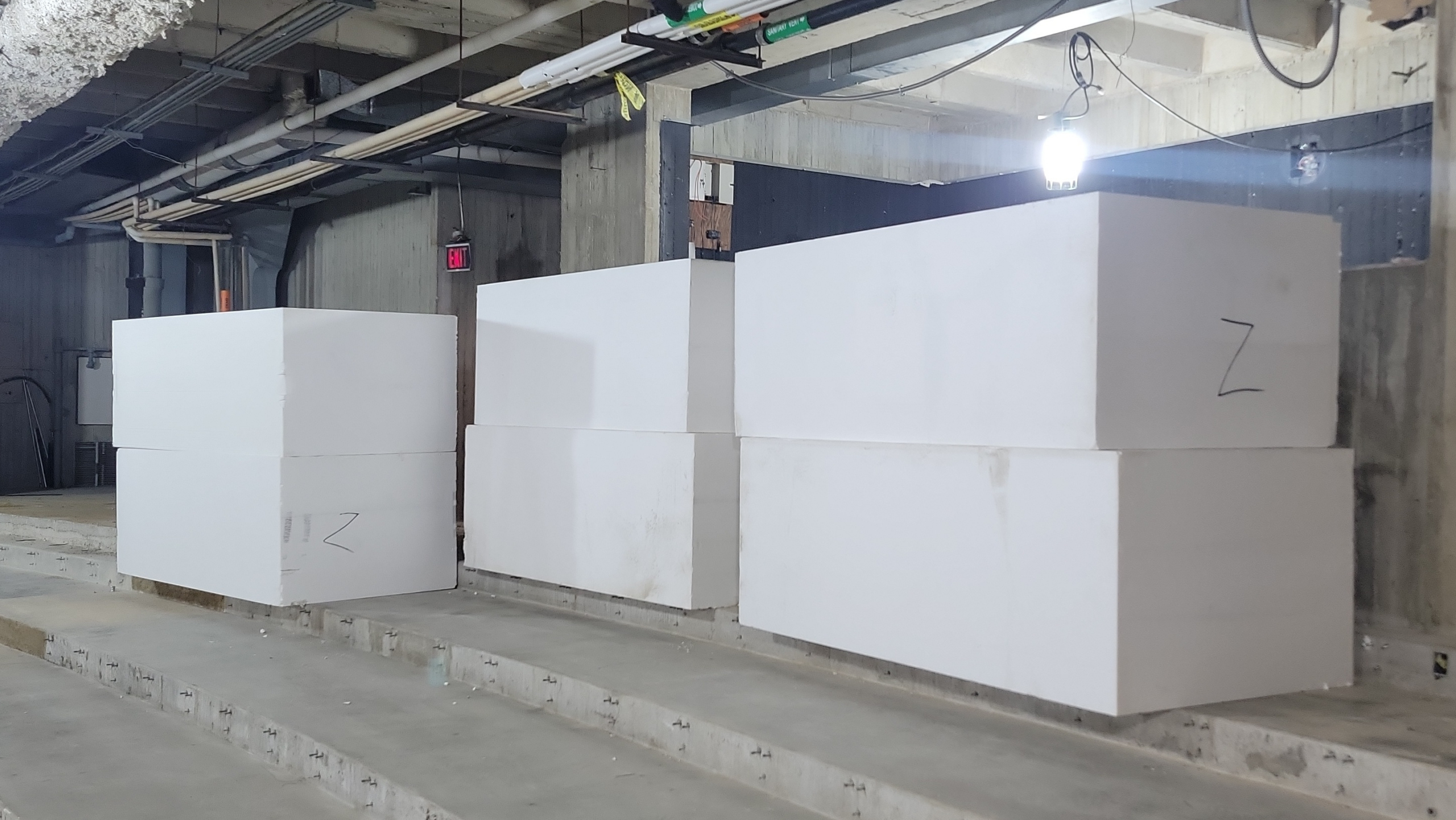
During the Scheman Renovation at Iowa State University, approximately 27,000 cubic feet of geofoam was used to fill the former auditorium, providing a lightweight and efficient solution for the project. An important insight from the project was that factory-cut geofoam and qualified installers helped streamline installation, reduce field adjustments, and improve overall efficiency.
Additionally, early coordination between geofoam installers and MEP trades proved essential to ensure rough-in work was properly integrated and to support a smooth installation process.
ADM High School: Creating Theater Elevations

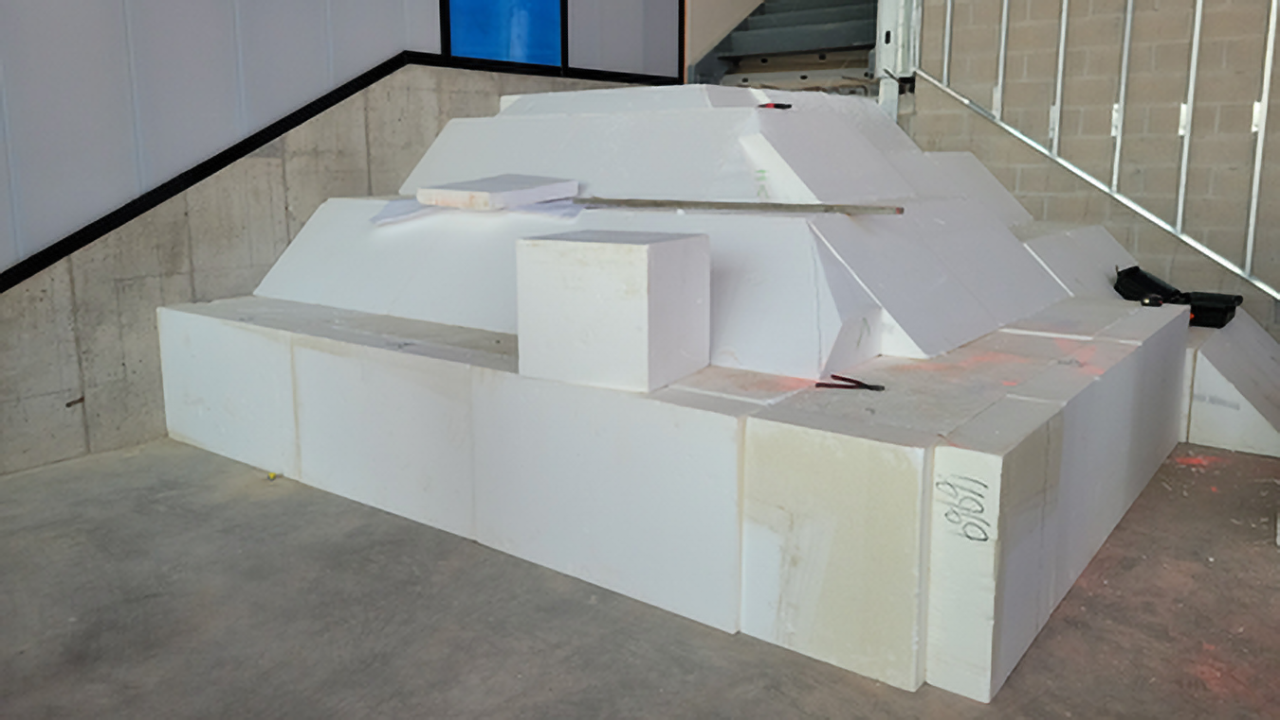
On the Adel DeSoto Minburn High School project, geofoam is being used to construct new theater stairs and platforms, helping the team efficiently achieve the desired elevations and configurations without the additional weight of traditional fill materials. Its lightweight nature, ease of installation, and adaptability make it an effective solution for complex renovation and new construction applications alike.
As demonstrated on projects like ADM High School, geofoam provides a practical and sustainable alternative to conventional fill, supporting schedule efficiency, constructability, and long-term structural stability.
When Should You Consider Geofoam?
Geofoam may be worth evaluating when a project involves:
- Significant elevation changes
- Fill over an existing structure
- Settlement concerns
- Limited access for conventional fill
- Interior renovation requiring substantial infill
- Complex stairs, platforms, or stepped configurations
- Projects where reducing structural loads may provide an advantage
Every project presents different structural, access, cost, and constructability considerations. If you’re evaluating geofoam or other lightweight fill solutions, engaging your construction team early can help determine whether it makes sense for your project.
Connect with Stahl to discuss your project and explore how early construction input can help identify practical solutions before construction begins.